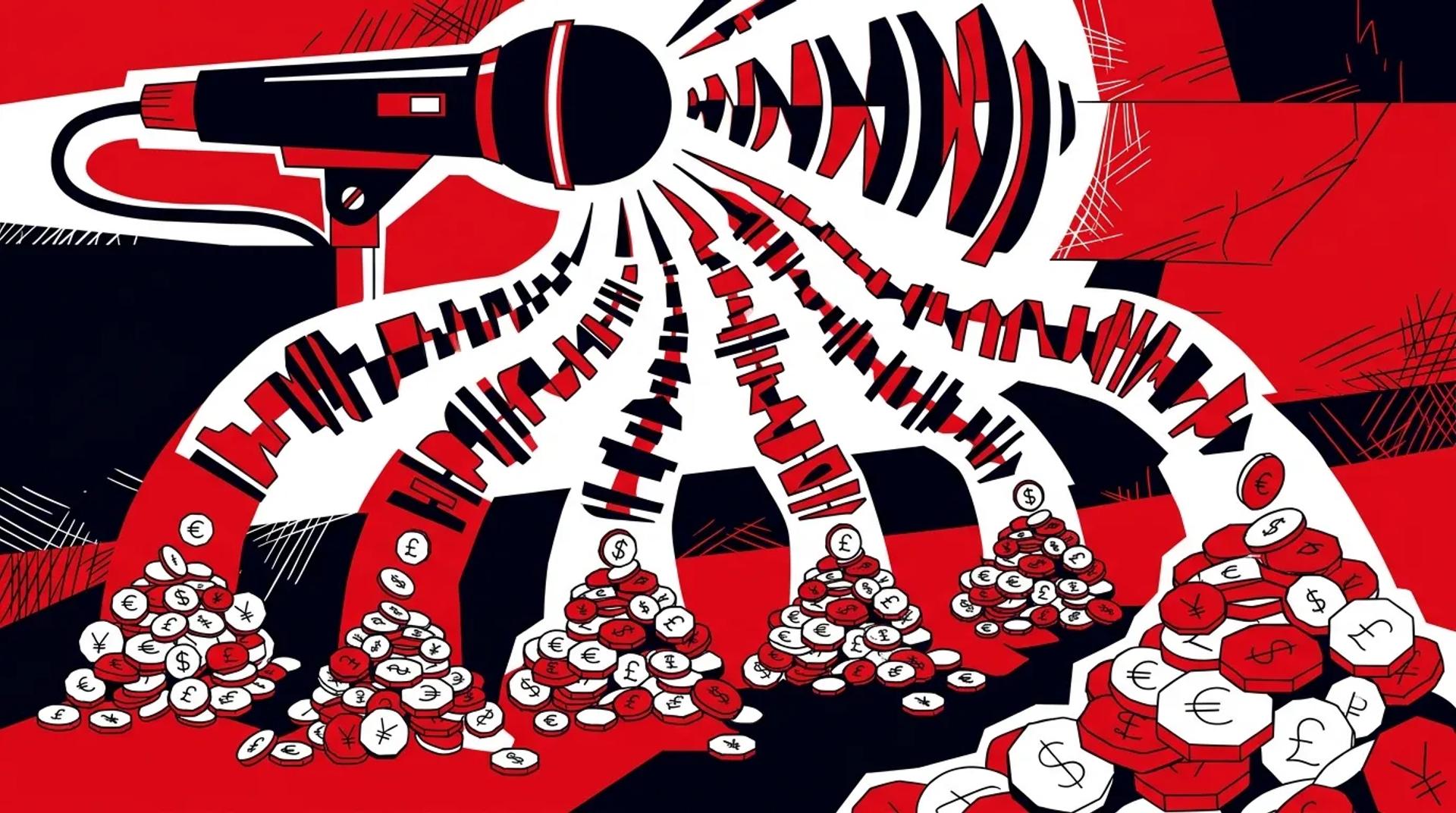

Most brands treat audio production as a one-and-done expense. They commission a radio spot, run it for six weeks, and shelve the files. That is a terrible use of budget. The real opportunity is building an audio branding strategy that produces assets designed to work across paid media, social, web, streaming, and sales from day one.
We have seen clients cut their per-asset cost by 40-60% simply by planning for multi-channel distribution before they hit record. The difference is not talent or gear. It is process. If your audio assets live in a single channel, you are leaving money on the table.
The goal of this guide is to show you exactly how to repurpose, version, and distribute your audio production for advertising across every channel that matters. No theory. Just the playbook we run with our own clients.
Why reuse beats volume every time
Producing more content does not automatically produce more revenue. What produces revenue is the right message reaching the right audience in the right format at the right time. One well-produced audio session can yield 15-20 distinct assets if you plan the session correctly.
Here is what we typically extract from a single recording day:
- Hero spot (30s and 60s broadcast cuts)
- Podcast ad reads (15s, 30s, and 60s pre/mid/post-roll)
- Social audio clips (under 10s for Reels, TikTok, Stories)
- On-hold and IVR messaging
- Sales enablement audio (voicemail drops, outbound sequences)
- Website background audio or explainer narration
The math is straightforward. If a single production day costs $5,000 and you extract 18 usable assets instead of 3, your cost per asset drops from $1,667 to $278. That is the foundation of a real audio branding strategy.
Which channels should share audio assets
Not every channel needs the same format, but most channels can share the same core recordings. The key is understanding what each channel demands and building your shot list accordingly.
| Channel | Format | Length | Key Requirement |
|---|---|---|---|
| Radio / Streaming | Broadcast spot | 30s / 60s | Broadcast-quality mix, clear CTA |
| Podcasts | Ad read or produced spot | 15-60s | Conversational tone, native feel |
| Social (Reels, TikTok) | Sound bite or music bed | 5-15s | Hook in first 2 seconds, captions |
| Website | Background or explainer | 30-120s | Loopable, non-intrusive mix |
| Sales / CRM | Voicemail drop | 15-30s | Personal, direct, action-oriented |
| Phone System (IVR) | On-hold / greeting | Variable | Professional, brand-consistent |
The biggest mistake we see is teams recording radio commercial production spots with zero thought about social or web. Those teams end up doing a second (and third) recording session to fill the gaps. Plan once, produce for all.
How to version content without starting over
Versioning is where the real leverage lives. Once you have your master recordings, you can create channel-specific versions without booking another studio session.
Step 1: Record modular segments
Structure your scripts so the hook, body, and CTA are separate takes. This lets you swap CTAs for different campaigns or trim the body for shorter formats.
Step 2: Capture multiple reads
Have your talent record 2-3 energy levels: conversational (podcasts, web), punchy (social), and polished (broadcast). Same script, different delivery. This takes an extra 30 minutes and saves thousands later.
Step 3: Build a versioning template
Create a simple spreadsheet that maps each master recording to every channel version you need. Include specs (length, format, loudness standard) so your editor can batch-produce without back-and-forth.
Step 4: Tag and organize for reuse
Use a consistent naming convention and store files in a shared DAM or drive with metadata tags. We have seen teams lose track of perfectly good assets simply because nobody could find them three months later.
What to measure after launch
Audio production for advertising only drives ROI if you can prove it. Vanity metrics like impressions or reach do not tell you whether your audio assets are generating pipeline. Here is what to track instead:
- Attribution by channel: Which audio placements are driving form fills, calls, or bookings? Use UTM parameters and unique phone numbers per placement.
- Cost per lead by asset: Compare the CPL of your radio spot versus your podcast ad versus your social audio. Double down on winners.
- Asset utilization rate: What percentage of your produced assets are actually live in campaigns? If half your files are sitting unused, your planning process needs work.
- Revenue per production dollar: Total revenue attributed to audio-sourced leads divided by total production spend. This is the number your CFO cares about.
Track these monthly. Adjust your channel mix quarterly based on what the data shows.
How Ad Leverage extends the value of audio production
At Ad Leverage, we build audio branding strategy into the production brief from the start. Every session is planned to generate assets for broadcast, streaming, social, web, and sales. We do not produce a single spot and call it done.
Our team handles the versioning, tagging, and distribution so your audio assets actually get used across channels. We tie every placement back to pipeline and revenue so you know exactly which assets are earning their keep and which need to be retired.
Frequently asked questions
How many assets can I realistically get from one audio production session?
With proper planning, a single session typically yields 15-20 usable assets across formats. The key is scripting for modularity and recording multiple energy levels and lengths. We plan the full asset map before anyone steps into the booth.
Is it worth investing in custom audio instead of stock music and AI voiceover?
Custom audio consistently outperforms stock in conversion-focused campaigns. Listeners can tell the difference, and so can your metrics. We have seen branded audio spots drive 2-3x higher recall rates compared to generic alternatives, which directly impacts downstream conversion.
How do I know which audio channels are actually driving revenue?
Use unique tracking numbers, UTM-tagged URLs, and post-conversion surveys to attribute leads back to specific placements. We set this up as part of every campaign launch so you are never guessing where your pipeline is coming from.
What is a reasonable budget for multi-channel audio production?
Budgets vary, but most mid-market brands spend between $5,000 and $15,000 per production day. The ROI math works when you plan for 15+ assets per session instead of producing one-off spots. The per-asset cost is what matters, not the day rate.
Ready to make your audio budget work harder?
If your audio assets are running on one or two channels and collecting dust everywhere else, there is a better way. Talk to an Audio Producer at Ad Leverage and we will map out a production plan that delivers assets for every channel from a single session.
References
- Google Ads Help Center: Audio Ad Best Practices and Specifications
- HubSpot: The State of Audio Marketing Report
- Edison Research: The Infinite Dial Study on Audio Consumption Trends